What Would a Genuinely Child-Centred Gymnastics System Look Like?
If children’s rights are to mean anything in elite sport, they must shape the rules, governance and decisions that determine children’s lives.
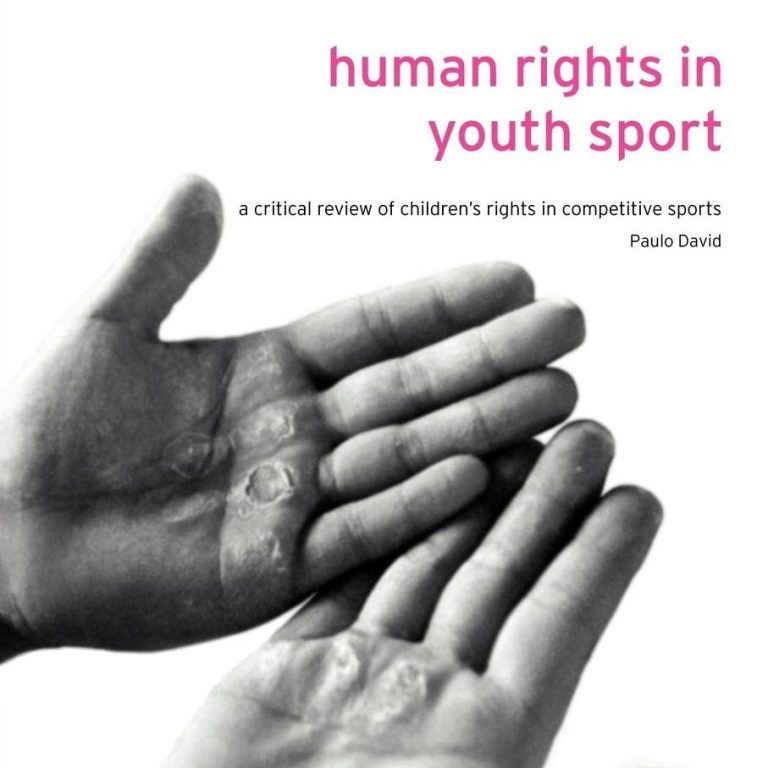
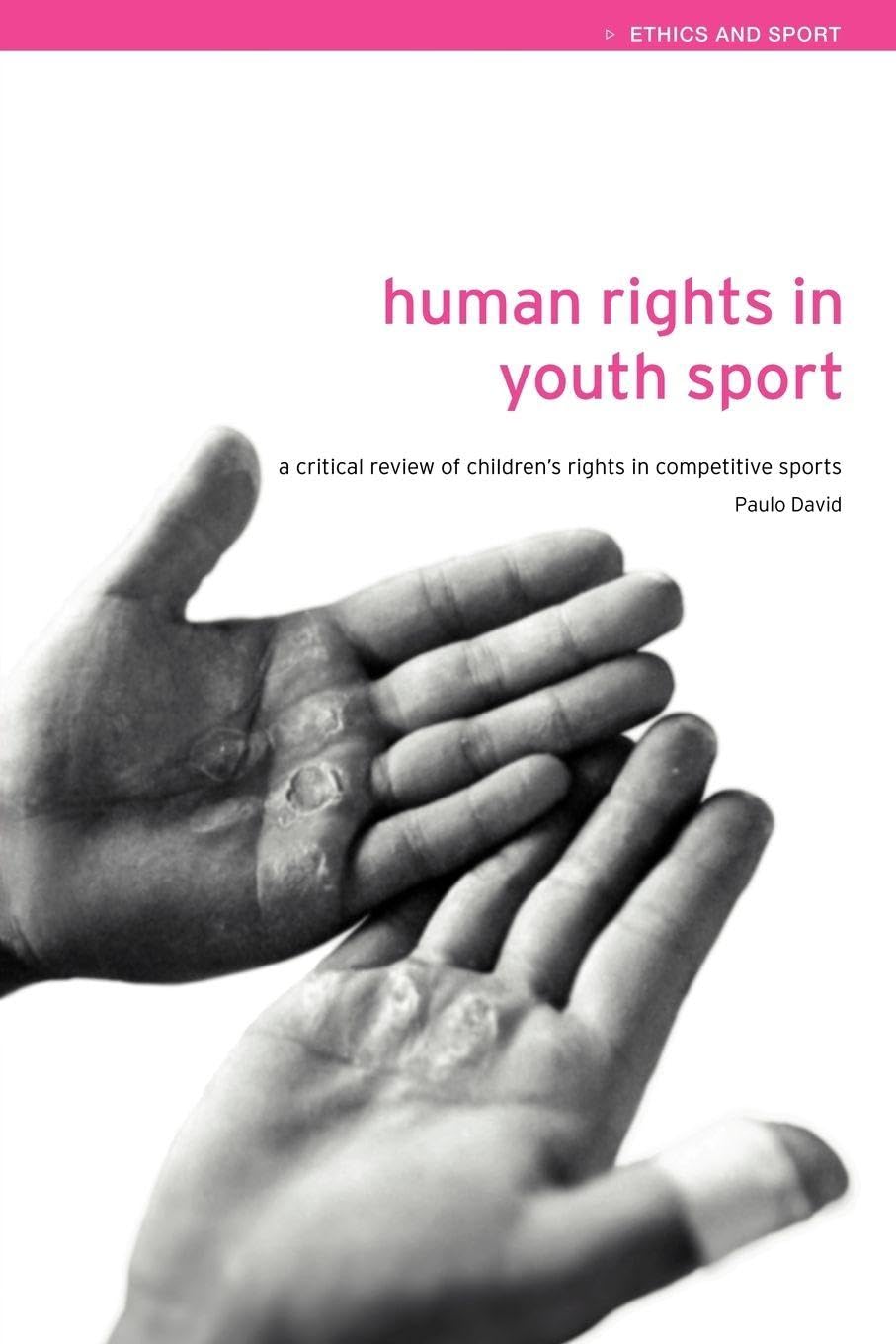
Part 4 of a 4 part series based on Human Rights in Youth Sport by Paulo David
From safeguarding policies to enforceable rights
The preceding articles have examined how the development of elite gymnastics, the pressures of training and body control, and the financial and professional interests surrounding the sport can combine to place children’s welfare at risk.
These problems cannot be resolved simply by improving guidance or asking adults to behave more responsibly. They require a fundamental change in how elite sport understands its obligations to children.
A system based primarily on performance, selection and organisational self-regulation must give way to one in which children’s rights are recognised, protected and enforceable.
The 1989 United Nations Convention on the Rights of the Child (UNCRC) provides the foundation for this approach. Ratified by 192 states, the Convention establishes that children are individuals with rights, entitled to dignity, participation, protection and the opportunity to develop their full potential.
Under a performance-led model, young athletes can be treated as passive recipients of training or as future assets for their clubs and national teams. A rights-based approach recognises that they are people in their own right, with interests that may differ from those of coaches, parents, sporting organisations and sponsors.
The distinction is fundamental. Children’s health, education, development and autonomy must not be treated as secondary considerations that can be set aside when medals or institutional interests are at stake.
Who is responsible for protecting children’s rights?
The UNCRC places legal obligations on states to respect, protect and fulfil children’s rights. Its implications extend to the regulation of private organisations, including sports federations, clubs and coaching providers.
The legal concept of horizontal effect (Drittwirkung) concerns the application of human rights principles to relationships between private parties. Although private sports organisations do not automatically bear the same direct treaty obligations as states, governments have responsibilities to protect children from abuse and exploitation by private actors. Domestic law can also establish specific duties and accountability mechanisms for organisations and individuals.
Articles 18 and 19 are particularly relevant to the responsibilities of states and those involved in children’s care and protection. Together with the wider Convention, they provide a foundation for demanding that sporting environments protect children rather than expose them to preventable harm.
Building on Paulo David’s work, Human Rights in Youth Sport, a child-centred sporting system should put ten fundamental principles into practice:
- The right to non-discrimination.
- The best interests of the child.
- The right to life and development.
- The right to health.
- Protection from abuse and exploitation.
- The right to education.
- The right to rest and play.
- Civil rights and participation.
- Protection from coercion.
- State and institutional accountability.
These principles must become more than statements of intent. They need to determine how training is organised, how injuries are managed, how complaints are investigated and how sporting bodies are held accountable.
What children’s rights require in practice
Five areas of the UNCRC are particularly relevant to the reform of elite gymnastics.
| UNCRC provision | Principle | Implications for gymnastics |
|---|---|---|
| Article 3: Best interests of the child | The child’s best interests must be a primary consideration in decisions affecting them. | Children’s health and welfare must take precedence over medals, commercial profit and organisational reputation. Contractual provisions that prioritise federation interests over child safety should be legally challengeable and, where appropriate, invalidated. |
| Article 19: Protection from abuse and neglect | Children must be protected from physical and mental violence, injury, abuse, neglect and maltreatment. | Establish independent, statutory reporting mechanisms outside sports federations; enforce appropriate criminal background checks and ensure that violent training methods are investigated and addressed through appropriate legal processes. |
| Article 24: Right to health | Children have a right to the highest attainable standard of physical and mental health. | Provide independent medical oversight, separate from the financial and administrative influence of national federations, with authority to recommend rest, monitor pubertal health and prevent competition when an athlete is injured. |
| Articles 28 and 29: Education and development | Children have a right to education that supports the full development of their personality, talents and abilities. | Enforce educational standards, prohibit full-time residential isolation in specialised sports centres for primary-school-aged children, and ensure that athletes receive appropriate support for education alongside sport. |
| Article 31: Rest, leisure and play | Children have a right to rest, leisure, play and age-appropriate recreational activities. | Establish enforceable weekly training limits based on age, require compulsory off-seasons and prohibit early-morning and late-evening elite training for athletes under 16. |
Taken together, these provisions challenge the idea that the demands of elite sport can justify overriding children’s ordinary rights. They also provide a framework for assessing whether existing arrangements genuinely protect young athletes or simply manage the risks associated with continued competition.
Four priorities for structural reform
1. Enforce meaningful competition age limits
International elite competition age limits should be strictly enforced and, where necessary, raised to 16 or 18 across disciplines. Independent, tamper-resistant age registries should verify eligibility against reliable civil birth documentation.
However, competition age limits alone are insufficient. Children can still be subjected to extreme training demands years before they are eligible for senior events.
Reform must therefore address the entire development pathway, including the ages at which intensive training begins and the conditions under which young athletes are prepared for competition. It must close opportunities for age falsification while ensuring that the years before senior eligibility do not become an unregulated period of excessive physical and psychological pressure.
2. Establish independent medical oversight
Medical personnel, team doctors and physiotherapists should be protected from the administrative and financial influence of national sports federations. Their primary responsibility must be the athlete’s health, not the maintenance of competitive availability.
Independent public health oversight should ensure that medical professionals can monitor injuries, nutrition, growth and pubertal development, recommend appropriate recovery and prevent participation when it would pose an unacceptable risk.
Medical decisions must not be overridden because an athlete is approaching selection, a championship or an important stage in their sporting pathway. Nor should young gymnasts feel that reporting pain or following medical advice will cost them their place in a team.
The authority to protect an injured child must be real, independent and effective.
3. Introduce effective legal accountability and mandatory reporting
National governing bodies, coaches and sports officials must be subject to appropriate external legal oversight.
Safeguarding arrangements should include mandatory reporting requirements where applicable, independent complaint mechanisms, civil liability where legal conditions are met, and criminal investigation or prosecution when the evidence and law justify it.
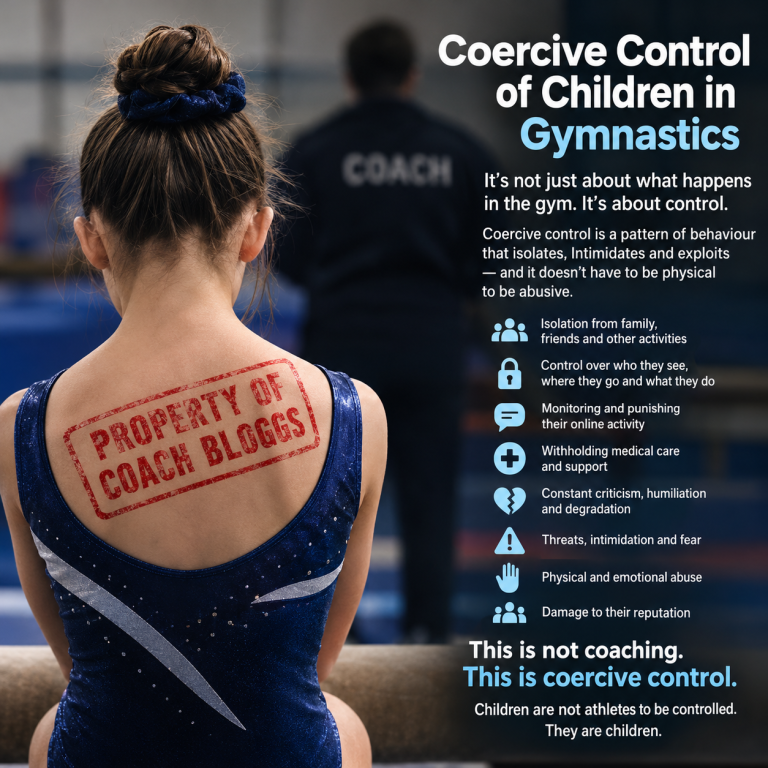
Children and families must be able to report abuse without fear of retaliation. Complaints should be investigated by bodies independent of those whose conduct is being challenged. Sporting organisations must not be permitted to treat their own reputation as more important than the protection of children.
Accountability must extend beyond individual perpetrators. Where policies, institutional practices or failures of oversight contribute to harm, those responsible for the relevant decisions must also be answerable.
A system cannot claim to protect children if it is able to control the complaints process, determine the limits of its own responsibility and shield itself from meaningful scrutiny.
4. Give athletes meaningful rights and representation
Young athletes must have a protected voice in the decisions that govern their sporting lives.
This requires formal access to independent advice, confidential reporting mechanisms, appropriate legal representation and meaningful participation in governance. Voting seats for active and retired youth athletes would help ensure that the experiences of those directly affected inform sporting rules and policies.
Children’s views must be taken seriously, and speaking out about unsafe practices must not jeopardise their sporting opportunities.
Athlete participation must also be more than a consultation exercise. Young people need to be able to challenge decisions, raise concerns about their treatment and influence the systems in which they train.
A child-centred system must recognise that athletes are not merely the subjects of safeguarding policies. They are people whose rights, experiences and perspectives should help shape those policies.
The measure of success must change
These reforms require more than a new set of rules. They require a change in the values that govern elite gymnastics.
Intensive training is not inherently abusive, and competitive ambition is not incompatible with children’s rights. The problem arises when training demands, body-image expectations, authoritarian relationships, financial incentives and institutional interests combine to make children’s health and autonomy secondary to competitive success.
A rights-based system would judge sporting organisations not only by the medals they win or the athletes they develop, but also by how they treat children, whether they prevent harm, how they respond to complaints and whether young athletes can exercise their rights without fear.
It would recognise that a successful gymnast can still be a harmed child, that a respected coach can still exercise power abusively, and that an organisation’s reputation is no substitute for independent accountability.
Above all, it would reject the idea that children must sacrifice their health, dignity or autonomy to remain on a sporting pathway.
Conclusion: Children’s rights must come before sporting results
Elite gymnastics demonstrates the dangers of a system in which competitive performance can take precedence over children’s physical health, psychological well-being and personal autonomy.
The problem is not simply a matter of individual coaches behaving badly. It arises from the interaction of training demands, body-image expectations, authoritarian relationships, financial incentives and institutions that may have insufficient independence to challenge harmful practices.
The result is a system in which children can be expected to endure pain, suppress their needs, accept humiliation and subordinate their own interests to the ambitions of adults.
A rights-based approach demands something fundamentally different. Children must be recognised as individuals with rights, not as instruments of sporting achievement. Their welfare must be protected through independent oversight, enforceable standards, meaningful participation and genuine accountability.
The future of gymnastics cannot be judged solely by the medals it produces or the technical difficulty of its routines. Its legitimacy depends on whether it can provide an environment in which young athletes are safe, healthy, respected and able to develop as human beings.
The priority must be to protect children, not to protect a system that sacrifices their welfare in the pursuit of sporting success.
Human Rights in Youth Sport Series
Part 4: What Would a Genuinely Child-Centred Gymnastics System Look Like? — brings the argument together and sets out the proposed reforms.